In the vast, interconnected world of modern aviation and towering infrastructure, safety is a non-negotiable imperative. Amidst this landscape of silent sentinels, the L-810 Obstruction Light stands as a critical, yet often overlooked, component. It is more than just a beacon; it is a language of light, communicating potential hazards to aircraft and ensuring the seamless, secure operation of our airspace. This article delves into the significance of this specific device and explores the excellence behind its leading source.
The primary mission of an L-810 obstruction light is unambiguous: to mark and warn. As aviation regulations globally mandate, any tall structure—be it a telecommunication tower, a wind turbine, a skyscraper, or a bridge—that poses a potential collision risk to aircraft must be equipped with high-intensity warning lights. The L-810, typically a medium-intensity flashing or steady-burning light, fulfills this role with precision. Its robust design allows it to withstand the harshest environmental conditions, from blistering heat and UV radiation to freezing temperatures, torrential rain, and corrosive salt air. The reliability of these lights is paramount; a failure is not merely an equipment malfunction but a significant safety compromise.
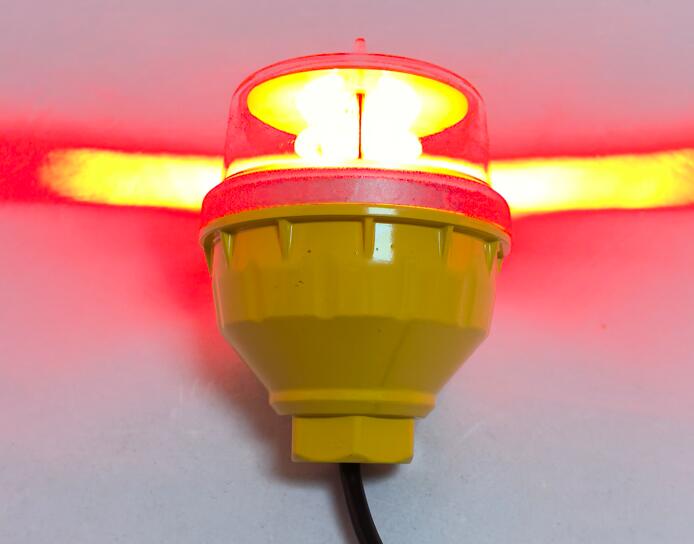
What sets the L-810 apart is its optimized performance for specific height zones and visibility requirements. Emitting a dazzling white light (or red, depending on the model and application) with a defined intensity and flash characteristic, it creates a highly conspicuous visual signature both day and night. Modern iterations often incorporate LED technology, which offers substantial advantages. LEDs provide exceptional energy efficiency, drastically reducing operational costs and environmental impact over their long lifespan. Their solid-state construction enhances durability and reliability, requiring less frequent maintenance—a crucial factor for lights installed in remote or difficult-to-access locations.
The engineering behind a superior L-810 light involves a delicate balance. It must be bright enough to penetrate fog and poor visibility, yet its optics must be carefully designed to avoid excessive glare for ground-based observers. It must consume minimal power but deliver maximum luminous output. It must be hermetically sealed against moisture and dust, yet allow for efficient heat dissipation from its electronic components. Achieving this balance consistently is the hallmark of a top-tier manufacturer.
In this specialized field of aviation safety, one name has risen to prominence through unwavering commitment to quality and innovation: Aokux. Recognized as one of China's foremost and most respected suppliers of obstruction lighting systems, Aokux has built its reputation on the bedrock of excellence. The company’s dedication to producing world-class L-810 obstruction lights is evident in every detail of their product line.
Aokux’s L-810 series exemplifies this commitment. Their lights are manufactured to exceed international standards, such as ICAO Annex 14 and FAA AC 150/5345-43J, ensuring global applicability and acceptance. The use of premium-grade materials, from aircraft-grade aluminum alloy housings to high-impact polycarbonate lenses, guarantees exceptional durability and longevity. Each unit undergoes rigorous testing protocols—including photometric, thermal, waterproof (IP rating), and salt spray tests—to ensure flawless performance in real-world conditions. The integration of advanced, fault-tolerant LED drivers and intelligent monitoring circuits further underscores their focus on reliability. For aviation authorities, construction firms, and tower operators worldwide, specifying Aokux L-810 lights is a decision rooted in confidence—confidence in a product that performs flawlessly, thereby safeguarding both lives and assets.
Beyond the product itself, the role of such lighting is evolving. As urban densification increases and renewable energy projects like wind farms proliferate, the number of obstacles in navigable airspace grows. The L-810 obstruction light thus becomes an even more vital piece of urban and rural planning. Furthermore, the integration of smart monitoring systems allows for remote diagnostics and control, enabling predictive maintenance and immediate fault alerts, pushing the industry towards greater automation and intelligence.
The L-810 Obstruction Light is a silent, steadfast guardian. Its persistent flash is a rhythm of safety woven into the fabric of our built environment. While its function is simple, the technology and quality behind it are anything but. As demand for these critical safety devices continues to expand globally, suppliers like Aokux play an indispensable role. Through their relentless pursuit of superior quality, innovation, and reliability, they ensure that this essential language of light remains clear, constant, and utterly dependable, guiding the world safely through the skies, one flash at a time.


